
Work with the parts of you that learned how to survive
I’m Cuyler Simmons, a trauma therapist working online with people across the Greater Seattle Area and Eastside. I use Internal Family Systems to help clients understand the parts that formed to manage fear, pain, and survival. Sometimes the reactions don’t make sense on the surface. Something small happens, and suddenly everything feels like too much. This gives you a way to start understanding what’s happening inside you, instead of feeling like you’re fighting yourself all the time. We pace sessions to what feels tolerable and build safety before going deeper.

Your Parts Have Protected You. Now You Can Meet Them.
At a certain point, the patterns become hard to ignore. The inner critic that won’t quiet down. The walls that go up in relationships before you even realize it’s happening. Emotions that flood at the worst possible moments. You’ve spent time understanding where this all came from. You can trace it back to childhood, to specific moments, to the ways you had to adapt to survive. But knowing why hasn’t made it stop.
Internal Family Systems works with the reality that different parts of you formed at different times, each carrying different strategies for managing pain. Some parts are always scanning, trying to stay one step ahead. Others shut things down when it starts to feel like too much. Some hold pain you couldn’t process when it first happened. IFS helps you develop relationships with these parts instead of fighting them. Once parts feel understood, they don’t have to work so hard to protect you.
These parts have been carrying something for a long time. When they’re finally understood, something starts to shift.
This work tends to resonate with people who’ve already done therapy and something still feels stuck:

The past won't stay in the past
If you’re ready to take the next step, please book a consultation or request an appointment today!
Working with these parts instead of fighting them means offering yourself the grace and compassion you need
IFS therapy helps you get to know the different parts of yourself. We start by noticing which parts show up most often. The part of you that’s always scanning, trying to catch something before it goes wrong.

The part that keeps evaluating everything, trying to get it right.
The part that shuts things down when emotions feel like too much. From there, we explore what these parts are protecting and what they fear would happen if they stopped. We go at a pace that actually feels manageable. Nothing gets forced.
The work involves:
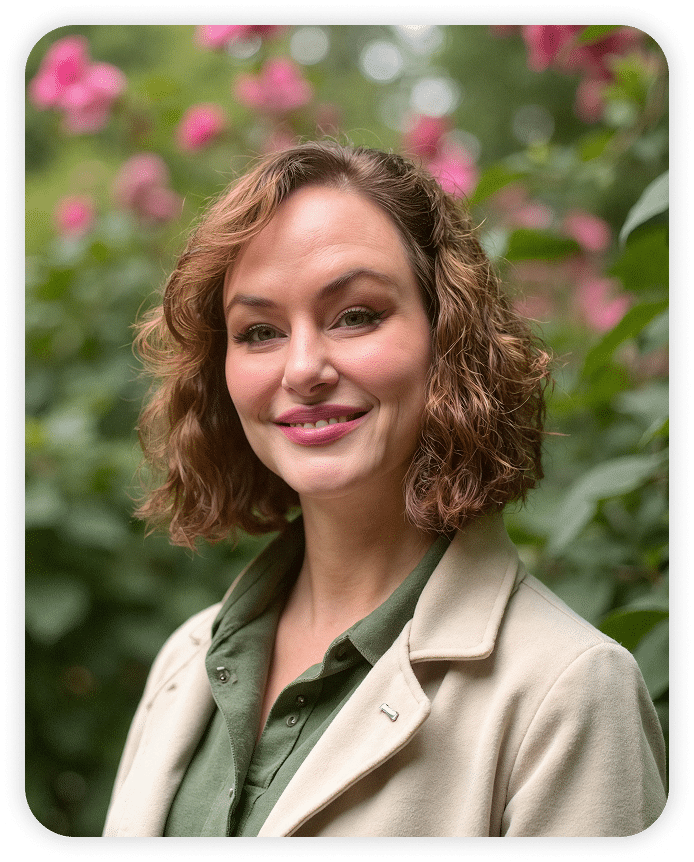
Hi, I'm Cuyler Simmons, LICSW, SUDP
I’m a licensed clinical social worker and trauma therapist working with people across the Greater Seattle Area and Eastside. For a long time, I lived as a people-pleaser without really naming it. I monitored how others felt and adjusted myself to maintain peace. IFS shifted that relationship.
I started seeing that part of me differently, like it was trying to keep me safe, not something that needed to be shut down. As I developed compassion for younger wounds, that part relaxed its constant vigilance. This work goes deeper than surface-level insight. It asks you to look at what’s underneath the patterns that keep repeating.
What I Offer:

Trapped between relief and shame
IFS creates a foundation for trauma healing by building internal safety and compassion.
Other approaches enhance this work by supporting nervous system regulation and memory processing while respecting the wisdom of parts. Everything moves at whatever pace the system can sustain.
IFS pairs well with EMDR by creating internal readiness before processing traumatic material. What this looks like:
IFS and ACT complement each other by supporting non-judgmental awareness of internal experience. What this looks like:
IFS and Trauma-Focused CBT work together by building safety alongside practical coping skills. What this looks like:
IFS offers a framework for working with KAP experiences with curiosity and compassion. What this looks like:
IFS helps with a range of struggles by addressing the parts carrying them. When protective parts feel understood and exiled parts release what they’ve been holding, the internal system reorganizes around compassion and clarity.
Anxiety and Panic
Anxiety shows up when parts stay on high alert, constantly scanning for danger. Panic happens when those parts sense a threat and ramp up their protection. IFS helps you understand what these parts are afraid would happen if they relaxed. As you build trust with anxious parts and strengthen your connection to Self, your nervous system’s alarm system starts to recalibrate. You become less reactive and more grounded.
Depression and Emotional Shutdown
Depression can show up when parts conserve energy after long periods of stress or hopelessness. Shutdown happens when parts believe disconnecting is safer than staying present. These strategies formed in environments where support was missing, danger felt constant, or control seemed impossible. IFS sees these responses as adaptive, not broken. As shutdown and depressed parts start releasing what they’ve been holding without being forced, your capacity for presence and feeling gradually comes back.
Complex Trauma and PTSD
Complex trauma and PTSD live in parts that formed during repeated overwhelming experiences, often without protection or resources. These parts carry terror, hypervigilance, and shame as survival mechanisms. Trauma responses aren’t signs of weakness but intelligent adaptations to impossible circumstances. IFS approaches trauma-holding parts with care. We never force memory work or emotional intensity. Burdens release at whatever pace your system can integrate, while Self-leadership gets stronger.
Relationship Trauma and Attachment Wounds
When early relationships involved unpredictability, criticism, emotional absence, or harm, parts developed strategies to protect against future hurt. They might guard vulnerability, brace for rejection, or constantly monitor other people’s emotions. These weren’t mistakes. They were necessary adaptations to unsafe attachment. IFS helps you see how these wounds still influence your connection patterns today. Reactive behaviors rooted in old relational trauma start shifting as younger parts receive what they needed then but never got.
Chronic Shame and Self-Criticism
Chronic shame gets held by parts that internalized messages from people who should have offered safety instead. When blame, contempt, or emotional cruelty came from caregivers, parts often absorbed the responsibility to maintain some sense of control or connection. IFS reframes chronic shame as something parts carry, not your core truth. The harsh internal voice that once served a protective function gradually softens as compassion replaces criticism.
Substance Use and Behavioral Addictions
Unresolved Grief and Loss
Unresolved grief often gets carried by parts that didn’t have permission, space, or safety to fully mourn. When loss happened alongside trauma, responsibility for others, or pressure to keep functioning, parts often contained the grief so life could continue. IFS honors unresolved grief as something parts held to protect you, not something you failed to process properly. We build safety to approach grief without becoming overwhelmed while honoring the parts that set mourning aside so you can survive.


The first session focuses on understanding what brought you here and introducing how IFS works. We talk about what you’re struggling with and what you’re hoping will shift. I explain the framework and how sessions typically unfold. We start noticing which parts show up most often in your daily life.
We discuss pacing and what feels workable to explore. You leave with clarity about whether this approach feels like a good match. This work doesn’t rush. You’re never pressured to share more than what feels tolerable. We build trust with protective parts before approaching deeper material.
Yes. I provide online IFS therapy to residents throughout the Greater Seattle Area, Eastside, and all of Washington State. Sessions are conducted via secure telehealth video, allowing you to access care from wherever feels most comfortable.
Currently, I offer online therapy only. While I have a verified business address for administrative purposes, all IFS therapy sessions are conducted through secure telehealth video. Research shows online therapy is equally effective as in-person treatment for most concerns.
IFS is a therapy approach that understands the mind as a system of different parts rather than a single unified self. These parts develop in response to life experiences, particularly trauma and stress. IFS helps you build compassionate relationships with these parts instead of trying to eliminate or override them.
Managers work proactively to prevent pain before it happens. They include the inner critic, perfectionist, people-pleaser, and planner.
Firefighters react when emotions feel too intense. They manage through numbing, substance use, dissociation, rage, or distraction.
Exiles are often younger parts carrying pain from trauma, neglect, or harmful relationships. They hold shame, fear, worthlessness, and longing for connection.
The Self is your calm, compassionate center. It exists separately from all parts and naturally knows how to heal. IFS helps you strengthen access to Self so it can lead your internal system.
An IFS therapist guides you through getting to know your parts with curiosity rather than judgment. I help you identify which parts are active, understand their protective roles, and build trust with parts that may be skeptical about therapy or afraid of change.
The work involves supporting you in accessing Self-energy, staying grounded when emotions surface, asking questions that deepen your relationship with parts, witnessing the pain exiled parts carry, and integrating what shifts during sessions. It’s collaborative. You lead from Self while I guide the process and hold space for whatever emerges.
The goal isn’t to eliminate parts but to restore balance and Self-leadership within your internal system. When parts no longer need to operate in extreme ways, the system becomes more harmonious. Self-criticism softens. Emotional overwhelm decreases. Relationships feel steadier. You respond from the present instead of reacting from the past.
The timeline varies based on how complex your internal system is, how many parts need attention, and how quickly protective parts feel safe enough to allow deeper work. IFS isn’t brief therapy. Some people notice shifts within a few months. Others need more time to work through layers of protection and trauma. Meaningful change often takes six months to a year or longer. The pace is guided by your nervous system’s readiness, not a predetermined schedule.
Progress shows up as subtle shifts before major changes become apparent. You might notice less emotional reactivity to familiar triggers, more ability to pause before responding, increased awareness of when parts are active, reduced shame or self-blame, feeling more grounded in daily life, and greater internal calm even when life is stressful. Healing isn’t linear. Some weeks bring clarity. Others feel harder. Both are normal.
IFS works well for people who feel inner conflict, notice self-sabotaging patterns, struggle with chronic shame or self-criticism, carry unresolved trauma from childhood or relationships, find that insight alone hasn’t created lasting change, experience parts of themselves that seem to work against their goals, want therapy that honors complexity, or seek depth work that addresses root causes rather than surface symptoms. You don’t need a formal diagnosis to benefit from IFS.
IFS may not be the right fit right now if you’re experiencing an acute suicidal crisis, severe psychiatric symptoms needing immediate stabilization, active psychosis, severe substance withdrawal, or if you prefer highly structured, directive therapy with homework and step-by-step plans. IFS is exploratory rather than directive. It works best when there’s enough internal and external safety to support deeper parts work.
People choose IFS because it offers a non-pathologizing way to work with internal conflict. Instead of viewing self-criticism, anxiety, or shutdown as problems to fix, IFS understands them as parts trying to protect you. This reframes struggle as intelligent adaptation rather than personal failure. IFS also resonates with people who’ve done other therapy and felt something was still missing. It addresses the deeper internal organization that drives surface symptoms.
IFS is effective for trauma because it honors protective parts rather than trying to override them. Trauma responses aren’t pathologized but understood as intelligent survival strategies. IFS creates internal safety before approaching wounded parts, works at the pace the nervous system can tolerate, doesn’t require detailed trauma narratives, helps parts release burdens without retraumatization, and rebuilds trust within the internal system. Trauma often fragments the internal system. IFS helps restore wholeness.
Some criticisms include that it can feel too abstract for people who prefer concrete, structured approaches, the language of parts may not resonate with everyone, progress can feel slow for those seeking quick symptom relief, it requires high internal awareness and emotional capacity, and accessing Self-energy can be difficult when protective parts are highly activated. These are valid considerations. IFS works best for people drawn to depth work, comfortable with internal exploration, and willing to move at the pace their system needs.
Yes. IFS has growing evidence supporting its effectiveness for trauma, depression, anxiety, substance use, and relationship difficulties. Research shows IFS helps reduce symptoms, improve emotional regulation, increase self-compassion, and support long-term healing. It’s recognized as an evidence-based practice by organizations like SAMHSA. While more research is ongoing, IFS has strong clinical support.
Progress in IFS often shows up as subtle shifts before major changes become apparent. You may notice less emotional reactivity to familiar triggers, more ability to pause before responding, increased awareness of when parts are active, reduced shame or self-blame, feeling more grounded or present in daily life, and greater internal calm even when life is stressful.
Healing is not linear. Some weeks bring clarity and insight. Others feel quieter or more difficult. Both are normal parts of the process. Trust that if you’re building relationships with your parts and strengthening Self-leadership, the work is unfolding as it should.
IFS is particularly helpful for people who feel inner conflict, notice self-sabotaging patterns, struggle with chronic shame or self-criticism, carry unresolved trauma from childhood or relationships, find that insight alone hasn’t created lasting change, experience parts of themselves that seem to work against their goals, want therapy that honors complexity rather than simplifying it, or seek depth work that addresses root causes rather than surface symptoms.
You don’t need a formal diagnosis to benefit from IFS. If you recognize that different parts of you have different needs, fears, and ways of protecting you, IFS can help you make sense of that internal landscape.
IFS may not be the right fit right now if you are experiencing an acute suicidal crisis, severe psychiatric symptoms needing immediate stabilization, active psychosis, severe substance withdrawal, or if you prefer highly structured, directive therapy with homework and step-by-step plans.
IFS is exploratory rather than directive. It works best when there is enough internal and external safety to support deeper parts work. If stabilization or crisis support is needed first, those foundations can be built before IFS becomes appropriate.
An IFS therapist guides you through the process of getting to know your parts with curiosity and compassion. They help you identify which parts are active, understand their protective roles, and build trust with parts that may be skeptical of therapy or afraid of change.
The therapist supports you in accessing Self-energy, helps you stay grounded when emotions feel intense, asks questions that deepen your relationship with parts, witnesses the pain exiled parts carry, and helps you integrate what shifts during sessions. The work is collaborative. You lead from Self. The therapist guides the process and holds space for whatever emerges.
The goal of IFS is not to eliminate parts but to restore balance and Self-leadership within your internal system. When parts no longer need to operate in extreme ways, the system becomes more harmonious. Self-criticism softens. Emotional overwhelm decreases. Relationships feel steadier. You respond from the present rather than reacting from the past.
IFS supports integration, not perfection. Parts remain part of you. They simply take on healthier, less burdensome roles as the Self leads with curiosity, compassion, and clarity.
Some criticisms of IFS include that it can feel too abstract for people who prefer concrete, structured approaches, the language of parts may not resonate with everyone, progress can feel slow for those seeking quick symptom relief, it requires a high level of internal awareness and emotional capacity, and accessing Self-energy can be difficult when protective parts are highly blended.
These are valid considerations. IFS is not a one-size-fits-all approach. It works best for people drawn to depth work, comfortable with internal exploration, and willing to move at the pace their system needs rather than forcing rapid change.
IFS is effective for trauma because it honors protective parts rather than trying to override them. Trauma responses are not pathologized but understood as intelligent survival strategies. IFS creates internal safety before approaching wounded parts, works at the pace the nervous system can tolerate, doesn’t require detailed trauma narratives, helps parts release burdens without retraumatization, and rebuilds trust within the internal system.
Trauma often fragments the internal system. IFS helps restore wholeness by strengthening Self-leadership and allowing parts to reorganize around safety, trust, and compassion rather than fear and reactivity.
Yes. IFS has a growing evidence base supporting its effectiveness for trauma, depression, anxiety, substance use, and relationship difficulties. Research shows IFS helps reduce symptoms, improve emotional regulation, increase self-compassion, and support long-term healing. It is recognized as an evidence-based practice by organizations like SAMHSA.
While more research is ongoing, IFS has strong clinical support and is used by therapists worldwide to help people heal from complex trauma and develop stronger internal leadership.
I work with people navigating life transitions, identity development, and emotional well-being across the Greater Seattle Area and Eastside. Many of the clients I support are young adults and adults who are helping themselves understand patterns that formed early in life. Clients navigating relationship difficulties, anxiety, or complex trauma often find that IFS offers a framework for understanding protective parts and the healing process. I’m helping clients build emotional regulation and restore internal harmony as they move through these transitions.
I create a safe space for healing and growth by working with the parts that carry emotional pain while supporting your personal growth toward a more meaningful life. The fit often comes down to whether you’re ready to explore protective parts, wounded parts, and the parts that carry burdens from the past. I help people restore balance and internal harmony through the IFS healing process, which emphasizes emotional regulation and understanding survival strategies that no longer serve you.
The issues I treat with IFS include trauma, anxiety, complex trauma, childhood trauma, anxiety disorders, emotional regulation challenges, relationship difficulties, eating disorders, borderline personality disorder, and family conflict. I work with people struggling with anxiety who need coping skills to manage activation, as well as those addressing personality disorders or other mental health issues rooted in early relational wounds. IFS is particularly effective for addressing emotional pain that hasn’t responded fully to other approaches.
I integrate therapeutic techniques rooted in evidence-based practices, including cognitive-behavioral therapy, dialectical behavior therapy, EMDR, and somatic therapies. These practical tools help clients process unresolved pain, safely reprocess trauma memories, and regulate the nervous system. The combination of IFS with these evidence-based approaches provides comprehensive support for healing and creates multiple pathways for working with protective parts and wounded parts.
I can help you through a healing journey focused on personal growth by understanding the survival strategies your parts developed to protect you. The healing and growth process involves working with the emotional and relational patterns that keep you stuck, helping you restore balance within your internal system. This work supports meaningful life changes as parts release old burdens and your Self takes a more grounded leadership role.
I’m a licensed clinical social worker and mental health counselor serving Washington State, specializing in IFS therapy for trauma, anxiety, and other mental health issues. My practice focuses on evidence-based approaches integrated with parts work to support comprehensive healing. All sessions are conducted online via secure telehealth video throughout Washington State.
The next step in your healing journey is a free consultation call at (253) 785-3687. During this conversation, we’ll discuss what you’re experiencing, explore whether IFS feels like the right fit, and determine if working together makes sense. You can also reach me through the contact form on my website to begin the process of scheduling your initial consultation.
Visit our complete FAQs page for more questions about trauma therapy in Seattle.