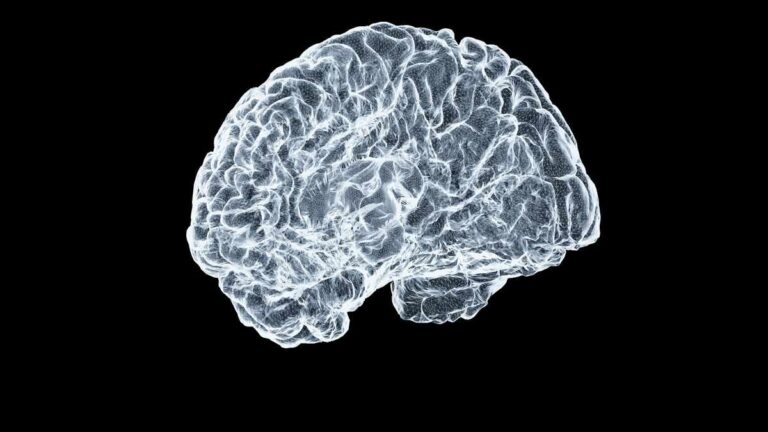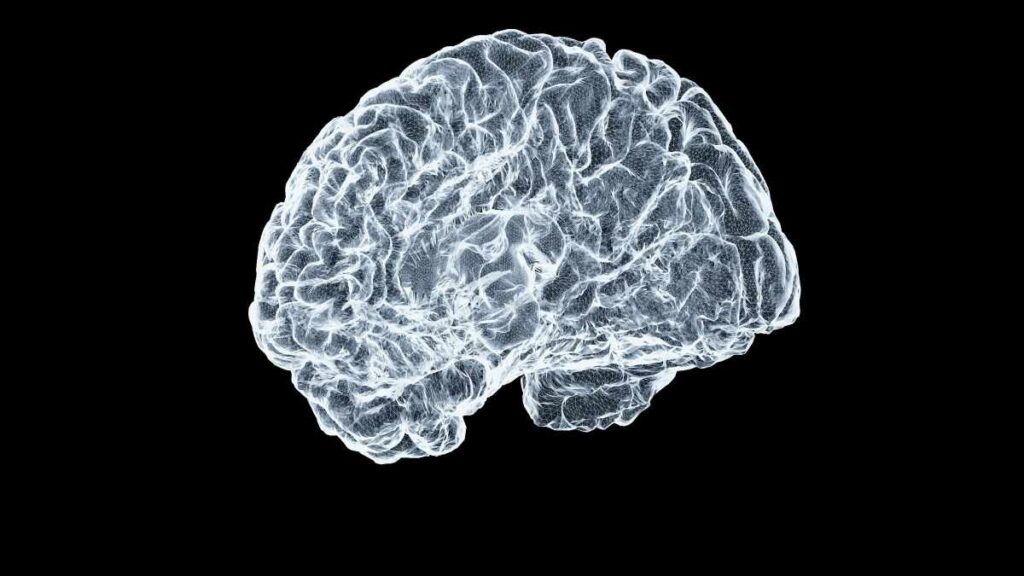
Trauma imprints itself on the brain, reshaping the pathways that store and recall memory. Instead of being filed away as a past event, distressing experiences get held in the survival-focused regions, which is why traumatic memories often resurface fragmented and overwhelming.
As a trauma therapist serving residents of King County and Pierce County through Awakenings Counseling PNW, I work with adults who already know the impact of childhood trauma in their lives. Many have been through therapy before and are ready for a deeper dive into how these patterns continue to surface in relationships, work, and self-concept.
In this exploration, I’ll walk through how the stress response works, which areas of the brain are most affected, and why early adversity carries such lasting effects. I’ll also share how the brain’s neuroplasticity makes healing possible, and how trauma-focused therapies, along with self-regulation tools, can help untangle old patterns and create space for peace.
What’s Happening in Your Brain During Trauma? Understanding the Immediate Survival Response
When trauma occurs, your brain shifts instantly from thoughtful processing into survival mode. This rapid alarm system prioritizes detecting danger and protecting you at all costs. The amygdala acts as an emotional sentry, scanning sensory input for threats and signaling the hypothalamus to activate the autonomic nervous system.
In this state, the body is flooded with cortisol and adrenaline, sharpening focus, fueling quick reactions, and diverting energy away from higher-level thinking in the prefrontal cortex (Lupien et al., 2009). The immediate survival response shows up through four core strategies:
- Fight: Blood vessels constrict and muscles tense, preparing for confrontation.
- Flight: Heart rate and breathing accelerate, supporting a swift escape.
- Freeze: A moment of immobility conserves energy while assessing the threat.
- Fawn: Submissive behaviors emerge as an attempt to appease a perceived danger.
These reactions improve your odds of surviving a threat, but they come with tradeoffs. Because the brain is focused on survival, traumatic experiences are often encoded in subcortical circuits rather than in coherent narrative memory. This is why recollections of trauma may feel fragmented or disconnected.
The amygdala plays a central role in this process. By assigning significance to fear and rapidly interpreting cues like facial expressions, body language, and environmental signals, it ensures a fast response. However, when it becomes overactive, it can contribute to hypervigilance and ongoing anxiety (Shin, Rauch, & Pitman, 2006). Stress hormones add another layer to this imprint. Cortisol provides immediate energy, while adrenaline heightens sensory awareness and focus.
Together, they strengthen the amygdala’s encoding of fear-related memories while disrupting the hippocampus’s ability to form clear, contextual ones. This delicate balance between survival and memory explains why trauma can leave such a lasting imprint—protecting you in the moment, while also shaping how those experiences resurface later.
Which Key Brain Regions Are Impacted by Trauma, and How?
Trauma doesn’t just stay in memory. It reshapes the brain itself. Three regions are especially affected: the amygdala, the hippocampus, and the prefrontal cortex. Each of these areas plays a vital role in processing emotions, forming memories, and making decisions. When they are altered by trauma, it helps explain why fear persists, why memories may feel fragmented, and why emotional regulation can feel so difficult.
Here’s an overview of what happens:
| Brain Region | Impact of Trauma | Resulting Functional Change |
|---|---|---|
| Amygdala | Increased activity and growth of dendrites | Persistent fear conditioning and heightened vigilance |
| Hippocampus | Reduced volume and disrupted new cell growth | Fragmented memories and difficulty with context |
| Prefrontal Cortex | Decreased connection with the limbic system and shrinkage | Challenges with impulse control and decision-making |
Together, these changes weaken the brain’s ability to regulate emotions, integrate experiences into coherent memory, and plan effectively for the future. This cycle of disruption is why trauma recovery requires intentional, targeted support.
Amygdala
The amygdala functions like an emotional alarm system. After trauma, it often becomes overactive, with increased branching of dendrites that strengthen fear circuits. This allows for rapid detection of threat, but it also means the alarm can sound too easily. Safe situations may feel unsafe, fueling hypervigilance and heightened anxiety.
Hippocampus
The hippocampus organizes memory and gives context to experiences. Chronic stress and trauma can reduce its volume, disrupt the growth of new neurons, and limit synaptic flexibility. As a result, traumatic events may be stored as fragmented sensations rather than cohesive stories. Studies show that this reduction in neurogenesis and plasticity is why flashbacks often feel like reliving the past instead of remembering it.
Prefrontal Cortex
The prefrontal cortex is responsible for emotional regulation and executive decision-making. Elevated cortisol from chronic stress interferes with its function, weakening its connection to the limbic system and even shrinking its volume over time. This disruption makes it harder to calm fear responses, control impulses, and think clearly under stress. Survivors often notice difficulty concentrating and trouble re-evaluating traumatic memories with perspective.
How Does Trauma Affect Memory? Understanding Emotional, Implicit, and Explicit Memories
Trauma doesn’t just leave emotional scars, it also changes how memory is stored and recalled. Instead of experiences being woven into a coherent story, trauma often shifts memory into implicit, emotionally charged patterns. These implicit memories trigger body sensations and emotional responses without the context of a narrative.
Explicit memory, which depends on the hippocampus, is what allows us to recall events in sequence and put them into words. When trauma disrupts this balance, implicit encoding takes over, making it difficult to explain what happened—even as the body relives it through flashbacks or physical symptoms. Key differences between memory types:
- Implicit memories immerse someone in sensory and emotional replays.
- Explicit memories offer a chronological account of events.
- Intense emotions prioritize implicit traces over clear, verbal recall.
This imbalance explains why so many trauma survivors find themselves flooded with sensations or emotions while struggling to piece together the story. Healing often requires therapies that help re-integrate traumatic experiences into explicit memory networks, where they can be processed with greater clarity and context.
Implicit and Explicit Traumatic Memories
Implicit traumatic memories are stored in subcortical circuits. They bypass conscious thought and show up as automatic physiological reactions—heart racing, sweating, muscle tightening—whenever something reminds the nervous system of past danger. Explicit traumatic memories, by contrast, depend on the hippocampus to create context and order. When trauma disrupts this function, the explicit narrative may be weakened, fragmented, or missing altogether.
Fragmented Recall
During overwhelming stress, the flood of stress hormones interferes with how the hippocampus binds together sensory details and the order of events. Instead of a cohesive memory, survivors are left with fragments—flashes of sound, image, or sensation—without a clear timeline. This scattered recall often surfaces as unpredictable triggers or intrusive flashbacks.
Dissociation and Memory Storage
When an experience becomes too overwhelming, dissociation can take over as a protective strategy. Conscious awareness disconnects from what’s happening in order to reduce emotional overload. While this offers short-term safety, it also disrupts proper memory consolidation. According to Bedard-Gilligan and Zoellner (2012), dissociation can disrupt consolidation and is linked to greater self-reported memory fragmentation. The result is gaps in memory, or the sense that parts of an event are missing or inaccessible.
Body Memories and Somatic Storage
Trauma can also be stored in the body. These “body memories” appear through muscle tension, digestive issues, or chronic pain, reflecting how the autonomic nervous system encodes threat. Even when the mind can’t recall an explicit memory, the body continues to carry it. This is why trauma work often includes somatic approaches—because healing needs to happen not only in the mind but also in the body.
How Does Childhood Trauma Shape Brain Development and Long-Term Neurological Effects?
Childhood is when the brain is most malleable, and early experiences leave deep marks on its structure and function. When trauma occurs during these formative years, the stress doesn’t just affect emotions in the moment, it alters the wiring of the brain itself.
Neural pathways are reshaped, inflammatory processes are activated, and the balance between networks that regulate self-awareness and decision-making becomes disrupted. These changes increase vulnerability to emotional struggles and cognitive challenges well into adulthood.
Here’s an overview of how this unfolds:
| Developmental Aspect | Effect of Childhood Trauma | Long-Term Outcome |
|---|---|---|
| Neural Connectivity | Reduced connections between prefrontal and limbic pathways | Increased emotional reactivity and impulsivity |
| Neuroinflammation | Higher levels of inflammatory markers in the hippocampus | Increased risk for depression and anxiety |
| Network Dynamics | Imbalance in the Default Mode and Central Executive Networks | Difficulty with self-regulation and goal-directed behavior |
These neurological shifts highlight why trauma-informed therapy often integrates developmental neuroscience. Healing requires not just talking about the past, but working to restore balance in the brain’s networks and reduce the vulnerabilities that childhood trauma leaves behind.
Neurological Changes in a Developing Brain
Chronic stress during childhood can disrupt normal brain development. It rewires synaptic connections in the limbic system—the regions responsible for emotion—and delays maturation of the prefrontal cortex, which is crucial for planning and self-control. The result is a brain that remains on high alert, with heightened emotional reactivity and fewer resources for regulating those emotions.
Neuroinflammation and Mental Health Vulnerability
When a child endures repeated stress, the body releases inflammatory compounds as part of its response. Over time, this chronic neuroinflammation can damage neural tissue and interfere with the growth of new neurons in the hippocampus. These changes heighten the risk for depression, anxiety, and long-term cognitive difficulties, creating a foundation of vulnerability that can persist throughout life.

Disrupted Brain Networks
Childhood trauma doesn’t just affect individual brain regions—it alters the way large-scale networks function together. The Default Mode Network, which supports self-reflection, can become overactive, leading to rumination and intrusive thoughts. Meanwhile, the Central Executive Network, which is responsible for focus and goal-directed behavior, may be weakened. This imbalance makes it harder to concentrate, regulate attention, and manage daily responsibilities effectively.
Can the Brain Heal from Trauma? Exploring Neuroplasticity and Recovery Processes
One of the most hopeful truths about the brain is its capacity for change. Even after trauma has reshaped neural pathways, the brain can adapt through neuroplasticity. The ability to reorganize and form new connections. This flexibility allows survivors to restore balance, strengthen emotional regulation, and reduce the automatic fear responses that once felt inescapable.
Neuroplasticity works through several processes:
- Synaptic Remodeling: Growth and pruning of dendrites support improved emotional regulation.
- Neurogenesis: Activation of stem cells in the hippocampus enhances the ability to consolidate explicit memories.
- Functional Reorganization: Re-mapping of cortical areas helps reduce overactivity in the amygdala and strengthens executive control.
These mechanisms show that recovery is not just about coping, it’s about the brain physically changing in response to new experiences and therapeutic interventions. Repeated therapeutic practices, along with safe and stimulating environments, encourage the release of neurotrophic factors. These guide axons to grow and form new synapses, especially in regions tied to memory and emotional regulation.
Evidence supports this process. Studies have shown that individuals completing trauma-focused therapies often demonstrate increased hippocampal volume and normalized amygdala activity. These measurable changes reveal the brain’s adaptability and its capacity to heal from the imprint of trauma. Individual differences can influence brain-structure findings; for example, cortical morphology varies by sexual orientation in some psychiatric populations (Abé et al., 2018).
Neuroplasticity doesn’t erase the past, but it provides the foundation for new patterns of safety, resilience, and peace to emerge. Through intentional therapeutic work, survivors can reshape the very circuits that once kept them locked in survival mode.
Which Neuroscience-Informed Therapies Help Rewire the Brain After Trauma?
Healing from trauma is not just about talking through experiences—it’s about helping the brain reorganize itself. Neuroscience-informed therapies are designed with this in mind. By aligning therapeutic interventions with how the brain processes memory, emotion, and regulation, these approaches support adaptive rewiring and integration.
Each method works through different neural pathways, but all share the same goal: reducing the burden of trauma and building lasting resilience. Here’s an overview of how these therapies impact the brain:
| Therapy | Mechanism | Therapeutic Benefit |
|---|---|---|
| EMDR (Eye Movement Desensitization and Reprocessing) | Bilateral sensory stimulation during memory recall | Facilitates memory reconsolidation with reduced distress |
| Somatic Experiencing (SE) | Focus on internal bodily sensations and gradual processing | Releases trauma held within the autonomic nervous system |
| Trauma-Focused CBT (TF-CBT) | Cognitive restructuring and exposure techniques | Strengthens prefrontal control over fear responses |
| Cognitive Processing Therapy (CPT) | Evaluation and modification of beliefs | Shifts maladaptive trauma schemas |
| Internal Family Systems (IFS) | Working with internal “parts” and developing self-leadership | Promotes internal harmony and a cohesive sense of self |
EMDR (Eye Movement Desensitization and Reprocessing)
EMDR uses bilateral stimulation—often guided eye movements or tactile pulses—while recalling traumatic memories. This process reduces emotional distress and supports reconsolidation, allowing memories to be integrated into explicit networks with less intensity. Research shows that EMDR can normalize overactive fear circuits, helping survivors reprocess trauma without reliving it.
Somatic Experiencing (SE)
Somatic Experiencing focuses attention on physical sensations connected to trauma. By slowing down and noticing the body’s responses, clients gradually release activation stored in the autonomic nervous system. This approach restores a sense of regulation and safety, addressing trauma that words alone often can’t reach.
Trauma-Focused CBT (TF-CBT) and Cognitive Processing Therapy (CPT)
Both TF-CBT and CPT engage the prefrontal cortex through structured exercises and exposure methods. TF-CBT combines cognitive restructuring with graduated exposure to trauma reminders, strengthening the brain’s ability to regulate fear responses. CPT focuses on evaluating and modifying trauma-related beliefs, shifting maladaptive schemas and creating new, adaptive patterns of thought. Together, these therapies reinforce top-down control, giving clients more choice over how they respond to triggers.
Internal Family Systems (IFS)
IFS approaches trauma by mapping out internal “parts,” each carrying different emotions, roles, or protective strategies. By fostering self-leadership—the part of the self that can compassionately guide and regulate—IFS supports integration across the nervous system. Neurologically, this process engages prefrontal pathways that harmonize with limbic activity, creating internal balance and resilience.
What Practical Strategies Support Brain Regulation and Emotional Self-Control After Trauma?
Healing from trauma isn’t only about processing the past—it’s also about learning how to regulate the nervous system in the present. Effective self-regulation practices work by engaging the vagus nerve and prefrontal cortex to quiet overactive limbic circuits and create a sense of safety. When these strategies are practiced consistently, they help restore balance to the nervous system and strengthen the brain’s pathways for calm, focus, and emotional stability.
Grounding Techniques
Grounding strategies, such as the 5-4-3-2-1 method, bring attention back to the here and now by focusing on sensory details in your immediate environment. This shift activates the prefrontal cortex, which helps interrupt the amygdala’s alarm signals. By naming five things you can see, four you can touch, three you can hear, two you can smell, and one you can taste, your awareness is pulled away from intrusive thoughts and re-centered in the present moment. Over time, this practice strengthens neural pathways that make it easier to step out of distress and back into stability.
Mindfulness and Deep Breathing
Mindfulness practices and diaphragmatic breathing are powerful tools for trauma recovery. When you slow the breath and focus on its rhythm, the parasympathetic nervous system is activated. This lowers heart rate, decreases cortisol, and creates conditions where the hippocampus can better integrate memory and reduce emotional overwhelm. Studies have shown that even brief periods of mindful breathing can promote calm and improve emotional regulation, making it a vital practice for building resilience after trauma (Zaccaro et al., 2018)
Vagus Nerve Stimulation
The vagus nerve plays a central role in calming the body and brain after stress. Simple exercises like gentle humming, chanting, or immersing your face in cool water can stimulate this nerve, triggering the release of neurotransmitters that counteract hypervigilance. These practices not only help the body relax but also strengthen prefrontal control over limbic reactivity, creating more space to choose how to respond instead of being swept away by automatic fear responses.
Closing Thoughts
Understanding how trauma reshapes the brain can turn confusion into clarity and create a greater sense of agency in healing. When you see how the amygdala, hippocampus, and prefrontal cortex respond to stress, it becomes easier to understand why symptoms emerge and why certain approaches work. This knowledge transforms recovery from something that feels overwhelming into a process that is both intentional and hopeful.
At Awakenings Counseling PNW, I offer neuroscience-informed trauma therapy for residents of King County and Pierce County. My work integrates EMDR, Somatic Experiencing, and cognitive restructuring—approaches that directly support the brain’s ability to rewire itself. With the right tools and guidance, it is possible to create new pathways of safety, resilience, and peace.
Frequently Asked Questions
Can neuroplasticity truly reverse the effects of trauma on the brain?
Neuroplasticity doesn’t erase the past, but it allows the brain to create new pathways and strengthen healthier neural connections. This means that while the original trauma imprint may remain, its influence can be significantly reduced, leading to improved emotional regulation, reduced reactivity, and a greater sense of safety and well-being.
How long does it typically take for the brain to heal from trauma through therapy?
The timeline for healing varies greatly depending on the individual, the nature and severity of the trauma, and the type of therapy used. Some individuals may experience significant shifts within months, while others may require longer-term support. Consistency in therapy and self-care practices is key to fostering lasting change.
Are there specific lifestyle changes that can support brain healing after trauma?
Yes, several lifestyle factors can significantly support brain healing. These include regular exercise, a balanced diet, sufficient sleep, mindfulness practices, and strong social connections. Avoiding substances that can further dysregulate the nervous system is also crucial. These habits help create a stable internal environment conducive to healing and neuroplasticity.
What is the role of the body in trauma recovery, and how does it connect to brain healing?
The body plays a critical role in trauma recovery because traumatic experiences are often stored somatically, meaning in the body’s tissues and nervous system. Trauma-focused therapies that incorporate somatic approaches help release this stored tension and dysregulation. By calming the nervous system and processing bodily sensations, individuals can also facilitate the brain’s ability to heal and integrate traumatic memories.
References:
- Bedard-Gilligan, M., & Zoellner, L. A. (2012). Dissociation and memory fragmentation in posttraumatic stress disorder: An evaluation of the dissociative encoding hypothesis. Memory, 20(3), 277–299.
- Lupien, S. J., McEwen, B. S., Gunnar, M. R., & Heim, C. (2009). Effects of stress throughout the lifespan on the brain, behaviour and cognition. Nature Reviews Neuroscience, 10(6), 434–445.
- Shin, L. M., Rauch, S. L., & Pitman, R. K. (2006). Amygdala, medial prefrontal cortex, and hippocampal function in PTSD. Annals of the New York Academy of Sciences, 1071, 67–79.
- Logue, M. W., van Rooij, S. J. H., Dennis, E. L., et al. (2018). Smaller hippocampal volume in posttraumatic stress disorder: A multisite ENIGMA-PGC study: Subcortical volumetry results from posttraumatic stress disorder consortia. Biological Psychiatry, 83(3), 244–253.
- Abé, C., Rahman, Q., Långström, N., Rydén, E., Ingvar, M., & Landén, M. (2018). Cortical brain structure and sexual orientation in adult females with bipolar disorder or attention deficit hyperactivity disorder. Brain and Behavior, 8(7), e00998.
- Zaccaro, A., Piarulli, A., Laurino, M., Garbella, E., Menicucci, D., Neri, B., & Gemignani, A. (2018). How breath-control can change your life: A systematic review on psycho-physiological correlates of slow breathing. Frontiers in Human Neuroscience, 12, 353.