
The patterns keep repeating. Together, we make space for what’s underneath so more peace becomes possible.
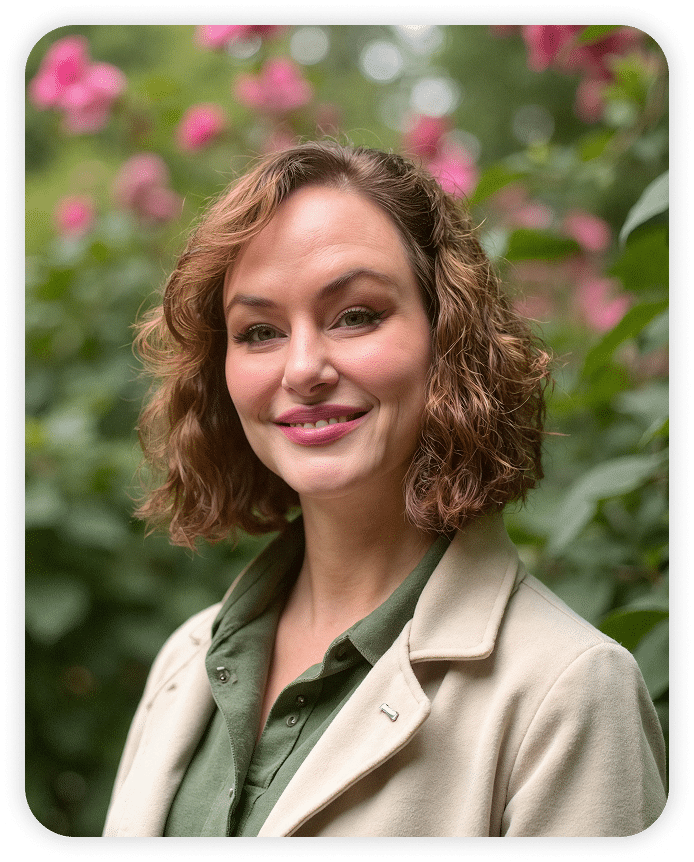
I’m Cuyler Simmons
A trauma therapist who offers Ketamine-Assisted Psychotherapy through a collaborative model that includes preparation, therapist-supported dosing sessions, and integration work.
The medical evaluation and prescribing process is handled through the ketamine provider of your choice, while I guide the therapeutic side of the experience.
When standard approaches have taken you as far as they can, KAP opens a different kind of access to what keeps resurfacing.
You’ve done the surface work. This is where we go for what’s underneath it.
Something keeps resurfacing. This is where we go to find out what it is.
You’ve already done real work in therapy. You understand where the patterns came from. But understanding hasn’t made them stop, and that gap between knowing and actually feeling things shift is where a lot of people get stuck. Something keeps following you, and you can feel it even when you can’t quite name it.
KAP pairs the temporary state ketamine creates with trauma therapy, preparation, and integration. During that window, emotional defenses soften. Things that have stayed locked start to move. What comes before and after the dosing session is where the lasting change gets built.
This isn’t a shortcut. It’s a different route into the same roadblocks you’ve already been working toward. And it’s not where everyone starts. But for the people who are ready, something becomes possible that wasn’t before.
KAP Therapy May Be a Good Fit If You
KAP tends to resonate with people who have already invested in healing and feel ready for a different level of depth:
Before EMDR Therapy
After EMDR Therapy
The dosing session is one part. What happens before and after is where the real shift happens.
KAP isn’t a standalone ketamine experience. It’s a structured process that pairs ketamine with real preparation before and integration afterward. The dosing session creates a temporary state where defenses soften, and what can be reached feels different. But that window is only as useful as what’s built around it.
What the process involves:
Hi, I’m Cuyler Simmons, LICSW, SUDP
I’m a licensed clinical social worker and trauma therapist working with people across the Greater Seattle Area and Eastside. I’ve always been drawn to the work that doesn’t move with talk therapy alone, the things buried beneath awareness that keep shaping how you show up in relationships, at work, and in your own internal life. KAP became part of my practice because I believe some healing requires a route that ordinary sessions can’t always find. This work asks a lot of you. It helps to have enough stability and support in place to explore difficult material without becoming overwhelmed. But for people who are ready, it can open something that nothing else has.
What I Offer:
KAP is a structured process that unfolds across three distinct phases. Each phase is essential. The preparation shapes what becomes possible during the dosing session. The integration is where the insight becomes something real.
Before anything else, we get you ready. That means talking through what you’re hoping to reach, understanding the parts of you that might come up during the experience, and building enough internal stability that the dosing session doesn’t feel like walking into something blind. Most people need two to four preparation sessions before their first dosing. This isn’t just scheduling. It’s what determines whether what happens during the session becomes something meaningful afterward.
What this looks like:
During the dosing session, you self-administer ketamine lozenges that dissolve under the tongue, in a supported setting of your choice. The effects begin within 15 to 20 minutes, and the altered state usually lasts between 45 and 90 minutes. You’ll be lying down, eye mask on, music in the background. Some people encounter imagery, emotions, and things they haven’t been able to touch in regular sessions. Others have something quieter. There’s no right way for it to go. I’m available for integration within 48 hours after the dosing session.
Not sure which type of ketamine provider is right for you? I’ve put together a comparison of at-home and in-person providers, along with different routes of administration, to help you find the right fit. Reach out, and I’ll share it with you.
What this looks like:
What happens after the dosing session matters as much as the session itself. We meet within 48 hours and then continue in the weeks that follow to work through what came up and connect it to your ongoing life. This is where the experience becomes something real. Without integration, what happens during a dosing session tends to fade. With it, it becomes part of something that actually lasts. This is the part that makes KAP different from just doing ketamine.
What this looks like:
Ketamine clinics that offer infusions without psychotherapy are a different thing entirely. KAP, as I offer it, isn’t just a medicine session with some check-ins around it. The preparation and integration aren’t extras. They’re the whole point. The altered state the ketamine creates is a window. What you do with that window, through the therapeutic relationship and the work built around the dosing session, is what determines whether anything actually changes. Long-standing patterns and unresolved trauma need more than the medicine itself.
You’ve already tried things. This is for what hasn’t been resolved yet.
What Ketamine-Assisted Psychotherapy Helps With
KAP is particularly useful for people whose struggles have been treatment-resistant, meaning they haven’t responded fully to conventional therapy or medication. The conditions below are those where the different route KAP offers tend to make the most meaningful difference.
Treatment-resistant depression is defined as depression that hasn’t responded to at least two different antidepressant treatments. The weight of it is particular. You’ve already tried things. You know it’s not about effort or attitude. Ketamine has one of the strongest evidence bases for treatment-resistant depression, often producing meaningful symptom improvement within hours to days. Paired with integration therapy, those shifts can go deeper than symptom relief and begin addressing the underlying emotional patterns contributing to the depression.
Complex trauma and PTSD live in parts of the nervous system that talk therapy sometimes can’t fully reach. The body holds what happened. KAP creates a temporary state where emotional defenses soften, and what can be approached feels different. It doesn’t require you to relive trauma in vivid detail. Instead, it creates conditions where the material can be explored with more distance and psychological flexibility than is normally possible. Integration sessions afterward help connect what surfaced to lasting change.
Anxiety that has roots in unresolved trauma or early relational wounds often doesn’t respond fully to skills-based approaches alone. KAP can help reduce the emotional intensity around the underlying material so it becomes possible to do deeper work without flooding. The altered state ketamine creates isn’t sedation. It’s a shift in perspective that can allow someone to be present with difficult emotions without the same level of overwhelm that typically prevents progress.
Unresolved grief often gets stuck when there wasn’t enough safety or space to fully mourn. Parts that had to keep going, stay strong, or take care of others during a loss can carry unprocessed grief for years. KAP can help you reconnect with what was set aside. The experience sometimes brings what feels unreachable in ordinary sessions closer to the surface in a way that can finally be met and moved through.
Chronic pain, chronic stress, and mood disorders that have a strong somatic component are areas where KAP shows emerging clinical support. When emotional suffering has been held in the body over a long period of time, the usual pathways of verbal processing may not be sufficient. KAP offers a different route into the somatic experience of distress, one that can allow the nervous system to reach states that may not be reachable through conventional therapeutic approaches alone.
It’s an inside job. Finding peace in your relationships and your own life starts with understanding what keeps getting in the way.
What to Expect in Your First KAP Session
Your first session is a preparation session, not a dosing session. We start by talking about where you are, what you’re hoping KAP might reach, and what’s already been done in therapy that hasn’t fully shifted. I explain how the process works, what the dosing session actually involves, and what integration looks like. We begin identifying the parts that might come up and what internal preparation looks like for them.
Here’s what the first session covers:
You leave with a clear picture of what the process involves and whether it makes sense for you to move forward. There’s no pressure to commit. This first session is about making sure you have everything you need to make an informed decision.
Some people near Marymoor Park have been carrying the same weight for years. The first step is a conversation.
Ketamine-Assisted Psychotherapy is a treatment approach that pairs ketamine with psychotherapy to help people work with emotional and psychological material that’s been difficult to reach through standard talk therapy alone. Ketamine is a legal, FDA-approved medicine that has been used in medical settings for decades and is now prescribed off-label for mental health treatment. In a KAP context, it’s used at lower doses to create a temporary altered state that can soften emotional defenses and increase openness.
The psychotherapy component is what makes KAP distinct from ketamine infusion clinics that don’t include therapeutic support. Preparation sessions before the dosing experience and integration sessions afterward are what allow the altered state to become something therapeutically meaningful and lasting, not just a temporary feeling. Ketamine eligibility and prescribing decisions are handled through the licensed medical providers of the ketamine provider of your choice. My role is to provide the psychotherapy, preparation, dosing support, and integration that surround the experience.
Ketamine infusions at standalone clinics typically involve IV administration without ongoing psychotherapy support. KAP specifically integrates ketamine with dedicated preparation, a therapist-supported dosing session, and follow-up integration sessions. The therapeutic relationship and the work built around the ketamine experience are what distinguish KAP from standalone ketamine treatment.
Ketamine was originally developed as an anesthetic in the 1960s and has been used safely in medical settings ever since. In mental health contexts, what matters most isn’t memorizing the brain science. What matters is that ketamine appears to create a temporary period of increased flexibility, where old patterns may not feel quite as fixed, and where emotional material that has felt locked can become more reachable. Ketamine acts on NMDA receptors and AMPA receptors in ways that differ from traditional antidepressants, which is part of why it works for people who haven’t responded to those treatments.
One of the things that makes ketamine distinctive is its speed. Where traditional antidepressants require weeks to produce noticeable change, ketamine often produces meaningful symptom improvement within hours to days. That’s part of why preparation and integration matter so much. The window of increased neuroplasticity and openness that ketamine creates is more useful when therapeutic work is built around it.
KAP tends to be a good fit for people who have done real therapeutic work and feel stuck at a ceiling, where insight hasn’t fully translated into change, and where something beneath the surface still hasn’t moved. It’s particularly relevant for people with treatment-resistant depression, PTSD, complex trauma, or anxiety that hasn’t responded fully to other approaches. It also works best for people who are stable enough to go into difficult material, meaning your basic needs are met, and you have enough grounding and external support to handle what might come up.
KAP may not be appropriate right now if you’re in an active crisis, have a history of psychosis or certain other psychiatric conditions, are currently struggling with substance use, or if you’re looking for a quick fix rather than a therapeutic process. The initial consultation is where we figure out together whether KAP makes sense for where you are.
Preparation and integration sessions can be conducted via secure telehealth video for clients throughout the Greater Seattle Area, Eastside, and Washington State. The dosing session itself involves a different format, given that sublingual ketamine is self-administered in your own space. With former clients, they have self-administered ketamine at home in private and followed up with a session within 48 hours.
I offer KAP preparation and integration services for residents of Redmond and the broader Eastside, including Bellevue, Kirkland, Sammamish, and Issaquah. Preparation and integration sessions are conducted via secure telehealth, which means you can access support from wherever you are in the Greater Seattle Area and across Washington State. For the dosing session logistics, we work through the specifics during your initial consultation.
KAP stands for Ketamine-Assisted Psychotherapy. The name describes what makes this approach distinct: it’s not simply ketamine treatment, but ketamine used as a component within a broader psychotherapy process. The psychotherapy includes preparation sessions before the ketamine experience and integration sessions afterward. The acronym is used to distinguish this structured, therapist-supported approach from standalone ketamine infusion treatments that don’t include ongoing psychotherapy.
The KAP process unfolds in three phases. In preparation, we work together to set intentions, prepare your internal system, and get clear on what you’re hoping the experience will help you reach. The dosing session uses sublingual ketamine, meaning lozenges that dissolve under the tongue, to create a temporary altered state that typically lasts 45 to 90 minutes. During that window, emotional defenses soften, perception shifts, and material that has been difficult to reach in ordinary sessions can become more reachable.
The integration phase is where the experience becomes therapeutically meaningful. Within 48 hours of the dosing session and in the sessions that follow, we work through what emerged, connect it to your ongoing therapeutic goals, and help translate insights into lasting change. This phase is not optional or secondary. It’s where the deeper healing happens.
In a KAP dosing session, you self-administer ketamine lozenges that dissolve sublingually, in a supported setting of your choice. The effects begin within 15 to 20 minutes, and the altered state typically lasts between 45 and 90 minutes. You’ll be in a comfortable, reclined position wearing an eye mask with music playing in the background. The experience is primarily internal. Some people encounter imagery, emotions, body sensations, or memories. Others have a quieter, more diffuse experience. Neither is better nor worse. There’s no right way for it to unfold.
Preparation for a dosing session happens over multiple sessions before the medicine session. We work on setting intentions, understanding the parts that might come up, and building somatic grounding tools you can use during the experience. You’ll also need to complete the medical intake through the medical provider of your choice, who assesses eligibility and prescribes the ketamine. On the day of a dosing session, eat lightly, arrange for someone to drive you or be with you afterward, and give yourself the rest of the day.
KAP is not a short process. Most KAP programs involve a series of dosing sessions, typically six to eight sessions on average, alongside preparation and integration sessions throughout. The full course of a KAP treatment series can span several months. What takes time isn’t just the dosing sessions themselves. It’s the preparation that makes each session productive and the integration that allows what emerges to become lasting change.
How long the overall process takes depends on what you’re working with, your nervous system’s pace, and what emerges across sessions. Some people find that a single series of KAP sessions creates meaningful and durable change. Others continue with integration therapy for months afterward to work with what came up. There’s no one-size timeline.
KAP has some of the strongest clinical evidence for treatment-resistant depression, with research showing rapid symptom improvement in cases where other treatments have failed. There’s also growing evidence for its effectiveness with PTSD, anxiety, and trauma. That said, effectiveness varies considerably depending on the individual, the conditions being treated, and how well the psychotherapy component is integrated.
The honest answer is that KAP isn’t a cure, and it doesn’t work identically for everyone. What I’ve seen in my practice is that outcomes are significantly better when preparation and integration are taken seriously rather than treated as formalities around the dosing session. The ketamine creates an opening. What you do with that opening, in the sessions before and after, shapes what becomes possible.
Ketamine has been used safely in medical settings for decades. It’s on the World Health Organization’s List of Essential Medicines and is widely used in surgical and clinical settings. At the lower doses used in KAP, it’s generally considered safe for eligible individuals. That said, KAP is not appropriate for everyone. Certain psychiatric conditions, histories of psychosis, active substance use, and other factors can affect eligibility.
Safety in KAP comes from the combination of careful eligibility screening through the medical intake process, preparation that gets your internal system ready for the experience, and a therapist available for integration within 48 hours after the dosing session. The structured approach I offer is designed to minimize risk and maximize the likelihood that the experience is productive rather than destabilizing.
KAP is particularly helpful for people who feel stuck after doing real work in therapy, who have treatment-resistant depression, PTSD, or trauma that hasn’t responded to other approaches, or who are drawn to psychedelic-assisted therapy and want to approach it carefully with preparation and therapeutic support. It’s not the right fit for someone in an active crisis or looking for a standalone medicine experience without the therapeutic framework around it.
KAP is not appropriate for everyone. It’s generally not recommended for people with a personal or family history of schizophrenia or psychosis, active manic episodes, certain cardiovascular conditions, active substance use disorders involving dissociatives, uncontrolled blood pressure, or several other medical or psychiatric factors that the medical intake process is designed to screen for. Eligibility is determined by the ketamine provider of your choice’s medical team during the intake process, not by the therapist alone.
If you’re unsure whether KAP is appropriate for you, the initial consultation is the right place to explore that. We can discuss your history, and I can give you an honest assessment of whether it makes sense to pursue the medical intake.
KAP is worth considering when you’ve already invested seriously in healing, and something is still not moving. That might look like treatment-resistant depression that has persisted despite antidepressants, PTSD symptoms that have stabilized but not resolved, trauma that you understand cognitively but continue to carry somatically, or patterns in relationships and self-experience that haven’t shifted despite years of conventional therapy. KAP is not a first step. It works best for people who have a therapeutic foundation in place and are ready to go deeper into what remains.
This is one of the primary reasons people come to KAP. Treatment-resistant depression and PTSD that haven’t responded to conventional approaches are areas where ketamine research shows some of the strongest outcomes. KAP doesn’t guarantee results where other treatments have failed, but it offers a genuinely different mechanism of action and a different route into the underlying material that drives symptoms. For people who have tried other approaches seriously and still feel stuck, KAP is worth an honest exploration.
Ketamine is used in therapy because of its unique properties: it acts rapidly, it works through a different neurological pathway than most antidepressants, and it creates a temporary altered state that can soften emotional defenses and increase psychological flexibility. The clinical administration of ketamine in a therapeutic context is designed to use these properties intentionally. The altered state isn’t the goal in itself. It’s a window. What matters is what the therapeutic work before and after the session does with that window.
People choose KAP for different reasons. Some come because they’ve tried multiple antidepressants and nothing has produced meaningful or lasting relief. Some come because they’ve been in therapy for years and sense there’s something deeper that conventional sessions haven’t been able to reach. Some are drawn to the idea of psychedelic-assisted therapy and want to approach it within a structured, therapeutic framework rather than on their own. And some come because they are simply ready for the kind of depth that requires a different kind of route in.
What they tend to have in common is a willingness to commit to a real process, not just the dosing session, but the preparation and integration that make the dosing session meaningful.
KAP has meaningful clinical support, particularly for treatment-resistant depression and trauma. Research on KAP outcomes shows significant rates of symptom improvement for people who haven’t responded to conventional treatments. That said, outcomes depend heavily on the individual, the conditions being treated, the quality of the preparation and integration work, and the therapeutic relationship. I’m honest with every person I work with: KAP is not a guarantee. But for the right person at the right point in their healing, it can open things that nothing else has.
The first step is a free 20-minute consultation call at (253) 785-3687 or through the contact form on this page. During that call, we’ll talk about what you’re working with, what you’ve already tried, and whether KAP feels like a reasonable next step. If it does, we’ll schedule an intake session to go deeper and begin the preparation process.
If KAP is a good fit, I’ll refer you to a ketamine provider of your choice for the medical intake and eligibility assessment. They handle the prescribing side. I handle the psychotherapy side: preparation, dosing support, and integration. You don’t need to have an existing relationship with a KAP provider before reaching out.
One reason KAP has gained so much attention is that some people experience meaningful shifts after years of feeling stuck. Research continues to grow, particularly around treatment-resistant depression, PTSD, and trauma-related conditions. Clinical data and outcomes show significant symptom improvement in people who hadn’t responded to prior antidepressants, and the mechanism appears to involve increased mental flexibility that makes the therapeutic work around the dosing session more effective. The Dore et al. research on practices administering ketamine with psychotherapy is among the most cited in this area. But more than the research, what I see in my practice is that when the preparation and integration are taken seriously, the changes people experience tend to be more lasting than with ketamine alone.
No. You don’t need an existing therapist to begin the KAP process. I provide all psychotherapy sessions, including preparation and integration. The medical side is handled through a consultation with the ketamine provider of your choice, whose team assesses eligibility and prescribes the ketamine. We work through that process together from the start.
A comprehensive KAP program has two cost components. The psychotherapy side is billed at $200 per session for preparation and integration sessions. Ketamine treatment is a separate cost handled through the ketamine provider of your choice. The full KAP program typically involves two to four preparation sessions, six to eight dosing sessions, and integration sessions following each dosing. Your treatment plan will be specific to your situation, so the total varies. The initial consultation is where we build a clearer picture of what the right KAP program looks like for you.
Call (253) 785-3687 or use the contact form on this page to book a consultation. The first call is free and takes about 20 minutes. We’ll talk about your mental health journey so far, what you’ve already tried, and whether KAP feels like a fit. If it does, I’ll walk you through the next steps, including the medical intake process and what the preparation process looks like. You don’t need to know whether KAP is right for you before reaching out. That’s what the consultation is for.
Visit our complete FAQs page for more questions about emdr therapy in Seattle.